Japanikido: A Whimsical Font for Creative Expression
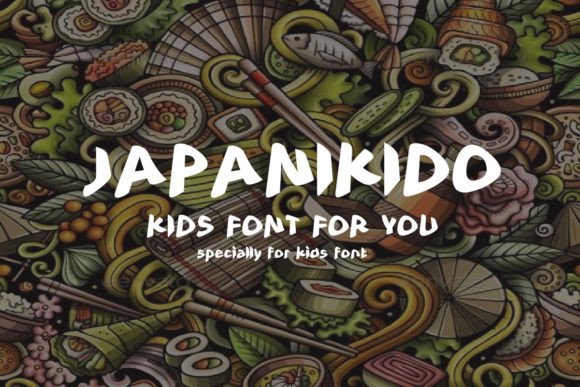
If you're looking for a font that adds a touch of fun and personality to your designs, Japanikido might be the perfect fit. This whimsical display font is ideal for projects that need a playful yet distinctive look. Whether you're working on branding, social media content, or creative artwork, Japanikido can bring a fresh and unique energy to your work.
What Makes Japanikido Stand Out
Japanikido isn't just another font—it's a character-rich typeface that captures the essence of creativity and imagination. Its design blends traditional Japanese aesthetics with modern flair, making it versatile for a wide range of applications. The font's irregular shapes and expressive strokes give it a handcrafted feel, which can add visual interest to any project.
Unlike more rigid or formal fonts, Japanikido thrives in environments where uniqueness and charm are valued. It’s not meant for body text but rather for headlines, logos, and other visual elements that benefit from a bold and eye-catching presence.
Real-World Applications of Japanikido
One of the most common uses for Japanikido is in branding. Businesses that want to stand out from the competition often turn to this font to create memorable logos. For example, a boutique coffee shop might use Japanikido for its signage to convey a sense of creativity and approachability. The font’s playful nature can help establish a brand identity that feels personal and engaging.
Designers also find Japanikido useful for social media content. Platforms like Instagram and Pinterest rely heavily on visual appeal, and using a unique font can make posts more attention-grabbing. A fitness influencer might use Japanikido for workout challenge titles, while a food blogger could apply it to recipe headers to make their content more visually appealing.
In the world of print media, Japanikido can be a great choice for posters, flyers, and event invitations. Its distinct style helps draw the eye and communicate a sense of excitement. A music festival promoting its lineup might use Japanikido for its event title, creating a vibe that matches the energy of the event itself.
Who Benefits From Using Japanikido?
Freelance designers and small business owners often appreciate Japanikido for its ability to elevate their work without requiring advanced design skills. It’s a tool that can quickly transform a basic layout into something more dynamic and engaging. For those who aren’t confident in their design abilities, Japanikido offers an easy way to add a professional and creative touch to their projects.
Artists and illustrators may also find value in Japanikido. Its expressive style can complement visual art, especially when used in mixed-media projects or digital illustrations. A graphic designer working on a children's book might choose Japanikido for chapter titles to match the playful tone of the story.
Even educators and presenters can benefit from Japanikido. In presentations or educational materials, using a unique font can help break up monotony and keep the audience engaged. A teacher creating a lesson plan might use Japanikido for headings to make the material feel more interactive and fun.
Considerations Before Using Japanikido
While Japanikido is a powerful tool, it’s important to consider its limitations. Because of its stylized design, it may not be suitable for all types of projects. For instance, it might not work well in formal documents or professional settings where clarity and readability are top priorities.
Users should also be mindful of legibility. Japanikido is best used in larger sizes where its details can be appreciated. When used in small text, it may become difficult to read, especially for people with visual impairments. Always test the font in different contexts to ensure it meets the needs of the intended audience.
Another consideration is the availability of the font. Not all platforms or software may support Japanikido, so it’s wise to check compatibility before finalizing a project. Some design tools may require specific file formats, such as OTF or TTF, to use the font effectively.
Strengths and Limitations of Japanikido
The main strength of Japanikido lies in its ability to add personality and visual interest to a design. It’s a font that doesn’t go unnoticed, making it ideal for projects that aim to be memorable. Its unique character makes it stand out in a crowded market, helping brands and creators differentiate themselves.
However, Japanikido’s strengths can also be its limitations. Its stylized appearance may not align with every brand or message. For example, a law firm or financial institution might find the font too informal for their needs. It’s essential to match the font’s tone with the overall message and audience of the project.
Additionally, while Japanikido is great for headlines and short phrases, it may not be the best choice for long blocks of text. Its intricate details can make reading lengthy content challenging, so it’s best reserved for specific design elements rather than full paragraphs.
How to Incorporate Japanikido Into Your Work
Start by experimenting with Japanikido in small, non-critical projects. Try using it for a social media post, a poster, or a logo to see how it looks in practice. This will help you understand its impact and determine whether it fits your creative goals.
When using Japanikido, pair it with simpler fonts for balance. A clean, neutral font like Arial or Helvetica can serve as a counterpoint to Japanikido’s whimsical style, ensuring that the overall design remains readable and professional.
Finally, don’t be afraid to let your creativity shine. Japanikido is designed to be fun and expressive, so use it in ways that reflect your personal style and the needs of your project. Whether you’re designing for a client, a personal brand, or a creative endeavor, Japanikido can help you make a lasting impression.