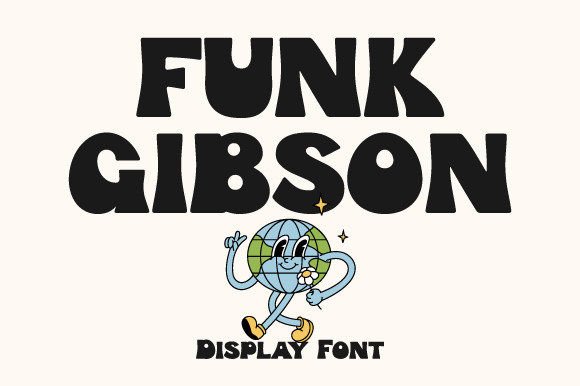
Funk Gibson: A Bold, Retro Font for Modern Creativity
In the world of typography, fonts are more than just letters—they're a visual language that conveys emotion, style, and identity. One font that has been gaining attention for its unique flair is Funk Gibson. This bold, retro display font brings a funky and fresh vibe to any design project, making it a popular choice among designers, artists, and creators looking to add a touch of nostalgia with a modern twist.
What Is Funk Gibson?
Funk Gibson is a display font designed to capture the essence of the 1970s and 1980s music and culture. It features exaggerated, stylized letterforms that evoke a sense of energy, movement, and rebellion. The font's name itself hints at its roots in funk music, a genre known for its groovy rhythms and vibrant energy. This font is ideal for projects that require a retro, groovy feel, such as album covers, branding for music-related businesses, or creative designs that aim to stand out with a bold personality.
The Origins of Funk Gibson
While the exact origin of Funk Gibson may not be widely documented, its design is clearly inspired by the typographic trends of the 1970s. During this era, fonts like Bebas Neue and Rockwell were popular, but Funk Gibson takes this inspiration further with its exaggerated curves, sharp angles, and dynamic shapes. The font's name might also be a nod to the legendary musician James Brown, whose music was synonymous with the term "funk." Whether it's a direct reference or just a clever name, Funk Gibson certainly delivers on the "funky" promise.
Why Use Funk Gibson?
There are several reasons why Funk Gibson is a go-to font for many designers. First and foremost, it adds a strong visual impact. Its bold strokes and unique shapes make it perfect for headlines, logos, and other prominent text elements where you want to grab attention. Unlike more traditional fonts, Funk Gibson doesn't blend in—it stands out, which is exactly what you want when creating something that needs to be memorable.
Applications of Funk Gibson
Funk Gibson is versatile enough to be used in a variety of contexts. Here are some common applications:
- Music Branding: For musicians, record labels, or music festivals, Funk Gibson can help create a retro, authentic look that resonates with fans of classic funk and soul music.
- Event Promotions: Whether it's a concert, art show, or themed party, using Funk Gibson in promotional materials can instantly set the tone and attract the right audience.
- Logo Design: Businesses that want to convey a sense of creativity, energy, or nostalgia can use Funk Gibson in their logos to make a bold statement.
- Web and App UI: While it's primarily a display font, Funk Gibson can also be used in web design or app interfaces for headings or buttons that need a unique, eye-catching appearance.
How to Use Funk Gibson Effectively
Although Funk Gibson is a powerful font, it's important to use it strategically. Because of its bold and stylized nature, it works best when used sparingly. Overusing it can lead to cluttered or hard-to-read designs. Here are some tips for effective usage:
- Use it for Headlines: Funk Gibson is ideal for titles, headings, and subheadings where you want to make an immediate visual impact.
- Pair with Simpler Fonts: To balance its boldness, pair Funk Gibson with a more neutral, readable font for body text. This creates contrast and ensures readability without sacrificing style.
- Limit the Amount of Text: Since Funk Gibson is a display font, it's best suited for short phrases rather than long paragraphs. This helps maintain clarity and avoids overwhelming the viewer.
- Experiment with Color and Effects: The font's unique shape allows for creative use of color, gradients, and effects. Play around with different styles to see how they enhance the overall design.
Common Misconceptions About Funk Gibson
Some people may assume that Funk Gibson is only suitable for niche or outdated projects. However, this isn't the case. While it certainly has a retro feel, it can be adapted to modern contexts in creative ways. For example, a tech startup could use Funk Gibson in a logo to signal innovation and a break from traditional corporate design. Similarly, a digital artist might use it in a portfolio to express individuality and a love for vintage aesthetics.
Another misconception is that Funk Gibson is difficult to read. While it's not a standard sans-serif or serif font, it's still legible when used appropriately. The key is to ensure that it's large enough and paired with suitable surrounding text. With careful design choices, Funk Gibson can be both stylish and functional.
The Role of Typography in Modern Design
Typography plays a crucial role in how we perceive and interact with the world. From the fonts we see on websites to the logos we recognize, typography influences our emotions, behaviors, and decisions. In today's digital age, where visual content dominates, choosing the right font can make a significant difference in how a message is received.
Fonts like Funk Gibson are part of a growing trend toward expressive and personalized typography. As more designers seek to differentiate their work, unique fonts offer a way to stand out while maintaining a cohesive brand identity. This trend is especially relevant in industries like music, fashion, and entertainment, where style and individuality are highly valued.
How Funk Gibson Fits Into Modern Life
Even in a fast-paced, technology-driven world, there's a place for retro-inspired fonts like Funk Gibson. They remind us of the past while offering a fresh perspective on design. Whether you're a student working on a creative project, a business owner looking to build a brand, or a designer exploring new styles, Funk Gibson can be a valuable tool in your arsenal.
Moreover, Funk Gibson encourages creativity and experimentation. It challenges the notion that all fonts must be clean and minimalistic, proving that bold, unconventional designs can be just as effective—if not more so—when used correctly. This makes it a great choice for those who want to push the boundaries of traditional typography.
Conclusion
Funk Gibson is more than just a font—it's a statement. Its bold, retro aesthetic brings a unique energy to any design project, making it a favorite among creatives who want to stand out. Whether you're designing for music, branding, or personal expression, Funk Gibson offers a fresh, groovy alternative to more conventional fonts. By understanding its purpose, applications, and proper usage, you can harness its power to create visually striking and meaningful designs that resonate with your audience.