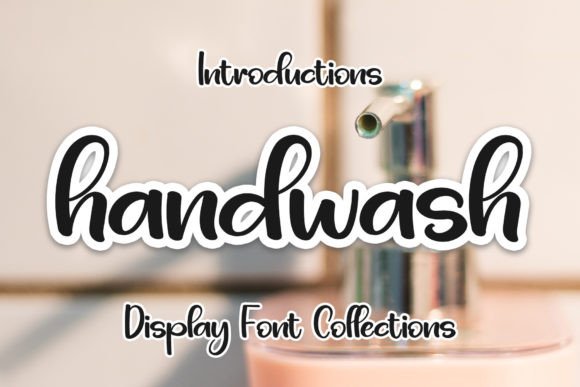
Handwash: A Versatile Font for Creative Projects
When it comes to typography, the right font can make all the difference in a design. Handwash is one such font that stands out for its elegance and versatility. With its unique blend of handcrafted charm and modern appeal, Handwash is ideal for a wide range of applications, from magazine layouts to DIY crafts. Its distinctive style allows designers to add a personal touch to their work, making it a valuable addition to any font library.
What Makes Handwash Stand Out
Handwash is more than just a font; it's a statement. The font features a soft, flowing script that mimics the look of handwritten text, giving it a warm and inviting feel. This characteristic makes it particularly well-suited for projects that require a personal or artistic touch. Whether you're designing a wedding invitation, a book cover, or a custom label, Handwash can help you achieve a unique aesthetic that sets your work apart.
One of the key qualities of Handwash is its readability. Despite its cursive style, the font maintains a high level of legibility, even at smaller sizes. This makes it suitable for both large headlines and more detailed body text. Designers often appreciate this balance between style and functionality, as it allows them to maintain visual interest without sacrificing clarity.
Applications in Modern Design
In today’s design landscape, where personalization and creativity are highly valued, fonts like Handwash play a crucial role. They enable designers to express individuality while still meeting professional standards. For instance, in the publishing industry, magazines often use Handwash for pull quotes or section headers to add visual flair without overwhelming the reader. Similarly, in the world of crafts, Handwash can be used on handmade cards, labels, or packaging to give a bespoke feel.
Another area where Handwash shines is in digital media. With the rise of social media and online content creation, having a font that looks great on screens is essential. Handwash’s clean lines and consistent spacing ensure that it displays well across different devices and platforms. This makes it an excellent choice for bloggers, YouTubers, and content creators looking to enhance their visual identity.
Integrating Handwash into Your Workflow
Adding Handwash to your font library is a simple process that can significantly expand your creative possibilities. Once installed, you can access it through most design software, including Adobe Photoshop, Illustrator, and Canva. This accessibility means that even those with limited design experience can experiment with the font and see how it enhances their projects.
For professionals, integrating Handwash into a workflow can streamline the design process. By having a go-to font for specific tasks, designers can save time and maintain consistency across their work. For example, a graphic designer might use Handwash for client logos, business cards, or promotional materials, ensuring a cohesive brand image.
Practical Benefits of Using Handwash
There are several practical benefits to using Handwash in your designs. One of the most significant is its ability to convey emotion and personality. Unlike more rigid typefaces, Handwash adds a sense of warmth and authenticity, which can resonate with audiences on a deeper level. This emotional connection is especially important in marketing and branding, where the goal is to create a lasting impression.
Additionally, Handwash offers flexibility in terms of styling. It works well with a variety of color schemes and backgrounds, allowing designers to experiment with different combinations. Whether you’re going for a minimalist look or a bold, eye-catching design, Handwash can adapt to suit your needs. This versatility makes it a reliable choice for a wide range of projects.
Considerations When Choosing Handwash
While Handwash is a powerful tool, there are some factors to consider before incorporating it into your work. One of the primary considerations is the context in which it will be used. While it excels in creative and artistic settings, it may not be the best choice for formal or technical documents where a more traditional font would be more appropriate.
Another factor to keep in mind is the availability of the font. Handwash may not be included in all design software by default, so it’s important to check compatibility before starting a project. Some platforms may require you to download and install the font separately, which can be a minor inconvenience but is usually a straightforward process.
Recommendations for Effective Use
To get the most out of Handwash, it’s helpful to follow a few best practices. First, use it strategically rather than overusing it. While its style is appealing, too much of it can become distracting. Limiting its use to key elements such as headings, titles, or accents can help maintain visual balance.
Second, pair it with complementary fonts. Combining Handwash with a more neutral typeface can create a dynamic contrast that enhances the overall design. For example, pairing it with a sans-serif font like Arial or Helvetica can provide a modern twist while keeping the focus on the handwritten element.
Finally, test it in different formats. Before finalizing a design, make sure to view it in various contexts—such as print, web, and mobile—to ensure it looks good everywhere. This step can prevent unexpected issues and ensure that your work meets the highest standards.