Animation: A Strategic Tool for Visual Communication
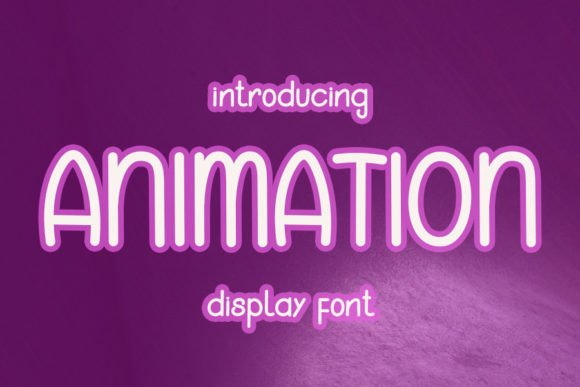
Animation is more than just a visual effect—it's a powerful tool that can shape how audiences perceive and interact with content. When used intentionally, animation enhances clarity, engagement, and emotional impact. For designers, marketers, educators, and creators, understanding how to apply animation strategically can make a significant difference in achieving goals. Animation is a cool handwritten display font with a modern vibe and spotless form. Not too thin and not too thick, balanced and varied, this font was designed to enhance the beauty of your projects.
Understanding the Role of Animation in Design and Communication
Animation refers to the process of creating motion through a sequence of images or frames. In design, it often involves transitions, effects, or movements that guide attention and improve user experience. Whether it's a subtle hover effect on a website or a dynamic logo reveal, animation adds depth and dimension to static elements. It can also help simplify complex ideas, making them easier to understand and remember.
When paired with a font like Animation, which blends a handwritten aesthetic with a clean, modern structure, the visual outcome becomes both engaging and professional. This combination is ideal for branding, presentations, and digital content where personality and readability are essential.
Strategic Use of Animation for Better Outcomes
Animation is not just about aesthetics—it's a strategic decision that can influence user behavior, brand perception, and overall effectiveness. Here are several ways animation can support key objectives:
- Enhancing User Experience: Subtle animations can guide users through a website or app, making navigation intuitive and enjoyable.
- Boosting Engagement: Animated elements capture attention and encourage interaction, increasing time spent on a page or platform.
- Supporting Brand Identity: Consistent use of animation reinforces brand personality and helps create a memorable visual identity.
- Improving Learning and Retention: In educational contexts, animation can break down complex processes into digestible steps, aiding comprehension and recall.
For professionals, these benefits translate into measurable results—higher conversion rates, better customer satisfaction, and stronger brand recognition.
When and How to Use Animation Effectively
The key to successful animation lies in purpose and precision. It should serve a clear function rather than being added for novelty. Consider the following guidelines:
- Define the Goal: Before implementing animation, ask: What do I want the audience to feel, learn, or do? Align every animation with a specific objective.
- Keep It Simple: Overcomplicating animations can confuse users. Stick to smooth, natural transitions that enhance rather than distract.
- Test and Refine: Use A/B testing to determine which animations resonate best with your audience. Gather feedback and adjust accordingly.
- Ensure Accessibility: Avoid animations that trigger motion sensitivity. Provide options to disable or reduce motion for users who need it.
By approaching animation with intention, you avoid common pitfalls and maximize its impact.
Practical Applications Across Industries
Animation finds relevance in various fields, from marketing to education. Here are some real-world examples:
- Marketing: Animated banners and social media posts can highlight offers, products, or services in an eye-catching way. For instance, a product launch video using Animation as a font can combine visual storytelling with a clean, readable style.
- Educational Content: Interactive lessons or explainer videos benefit from animation that illustrates concepts step-by-step. A teacher might use animated infographics to explain data or historical events, making learning more engaging.
- Web Design: Micro-interactions, such as button presses or loading indicators, improve usability. A website using Animation as a font could maintain a cohesive look while using subtle animations to draw attention to key actions.
- Branding: Logo animations or custom icons add personality to a brand. A small business owner might use Animation in their logo design to reflect creativity and professionalism.
Common Risks of Unintentional Animation Use
Without a clear strategy, animation can become counterproductive. Some risks include:
- Distraction: Excessive or flashy animations can divert attention from the main message or call to action.
- Confusion: Poorly executed animations may mislead users or create unclear transitions, especially in interactive experiences.
- Performance Issues: Large or complex animations can slow down websites or apps, leading to higher bounce rates.
- Brand Dilution: Inconsistent or mismatched animations can weaken brand identity and confuse the audience.
To avoid these issues, always consider the context, audience, and purpose before applying animation.
Planning for Effective Animation Integration
Successful animation requires thoughtful planning. Start by outlining the desired outcomes and identifying where animation can add value. Ask questions like:
- What is the primary goal of this animation?
- Who is the target audience, and what will they expect?
- How does this animation align with the overall design or message?
- Will it improve usability, engagement, or clarity?
Once these considerations are addressed, choose tools and techniques that match your skill level and project requirements. Whether using a font like Animation or designing custom animations, the focus should remain on delivering a seamless and meaningful experience.
Long-Term Value of Thoughtful Animation Use
Investing in strategic animation practices can yield long-term benefits. As digital landscapes evolve, users expect more immersive and interactive experiences. By integrating animation thoughtfully, businesses and creators can stay ahead of trends and build stronger connections with their audiences.
Moreover, consistent use of animation can reinforce brand identity over time. A well-designed animation strategy ensures that every visual element contributes to a cohesive and recognizable presence. This is especially important for entrepreneurs, educators, and professionals looking to establish credibility and trust.